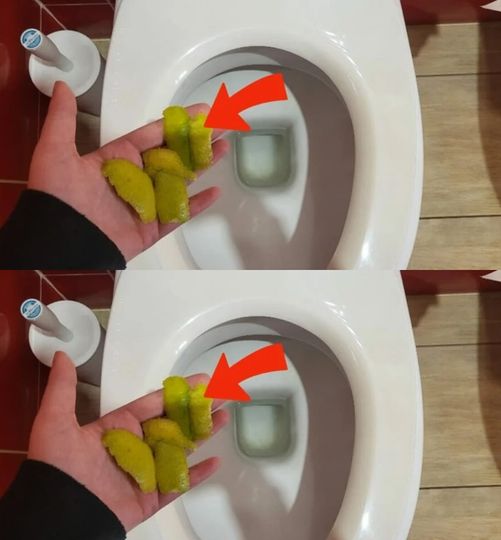

Harnessing the Power of Lemon Peels: A Natural Solution for Toilet Freshness and Cleanliness
Lemons are widely recognized for their culinary and health benefits, but their potential goes beyond the kitchen. Lemon peels, often discarded, are packed with essential properties that make them highly effective in household cleaning, especially for maintaining toilet hygiene. Learn how to use lemon peels as a natural, eco-friendly alternative to chemical cleaners.
The Cleaning Power of Lemon Peels
Lemon peels are rich in essential oils, particularly D-limonene, which imparts a refreshing citrus aroma and provides powerful antimicrobial properties. Combined with their natural acidity, lemon peels become effective cleaning agents that can tackle odors, germs, and stubborn stains.
Benefits of Lemon Peels for Toilet Cleaning
- Natural Deodorization
The essential oils in lemon peels release a fresh, citrus fragrance, neutralizing unpleasant odors in the toilet bowl. Simply placing lemon peels in the bowl can help maintain a pleasant-smelling bathroom. - Antimicrobial Properties
Lemon peels possess natural antibacterial and antifungal qualities, reducing germs and bacteria in the toilet. This enhances bathroom hygiene without the need for harsh chemicals. - Descaling and Stain Removal
The citric acid in lemon peels is effective in dissolving mineral deposits and limescale. Regular use helps keep the toilet bowl clean and free of unsightly stains.
How to Use Lemon Peels for Toilet Cleaning
Step 1: Preparation
- Collect fresh lemon peels after using the fruit in cooking.
- Ensure the peels are free of pulp to prevent plumbing clogs.
Step 2: Application
- Place a handful of lemon peels directly into the toilet bowl.
- Let them sit for a few hours or overnight to allow the essential oils and acids to work on odors, bacteria, and stains.
Step 3: Cleaning
- Use a toilet brush to scrub the bowl, paying attention to stained or scaled areas.
- Flush the toilet to remove debris and lemon peel remnants.
Step 4: Maintenance
- Repeat this process weekly to maintain a clean and fresh-smelling toilet.
Other Household Cleaning Uses for Lemon Peels
- All-Purpose Cleaner: Infuse lemon peels in white vinegar for a few weeks to create a natural cleaning solution for countertops and sinks.
- Garbage Disposal Freshener: Grind lemon peels in the disposal to deodorize and clean the unit.
- Microwave Cleaner: Heat lemon peels in water to loosen food residues for easy cleaning.
Why Choose Lemon Peels for Cleaning?
- Eco-Friendly: Reduces reliance on chemical cleaners, lowering environmental impact.
- Cost-Effective: Repurposes kitchen scraps for cleaning, saving money.
- Sustainable: Minimizes waste by reusing lemon peels.
Precautions
- Moderation: Excessive use may clog plumbing systems. Use lemon peels sparingly and ensure proper flushing.
- Surface Testing: The acidity of lemons may not suit all surfaces. Test on a small, inconspicuous area first.
- Allergy Awareness: Handle lemon peels carefully if you have citrus allergies.
Conclusion
Using lemon peels in your toilet cleaning routine provides a natural, sustainable, and effective way to maintain bathroom hygiene. Their deodorizing, antimicrobial, and descaling properties make them a valuable alternative to chemical cleaners. By repurposing lemon peels, you can create a fresher, cleaner bathroom while supporting eco-friendly living practices.
Give lemon peels a try and transform your cleaning routine—naturally and sustainably!

Comments are closed, but trackbacks and pingbacks are open.