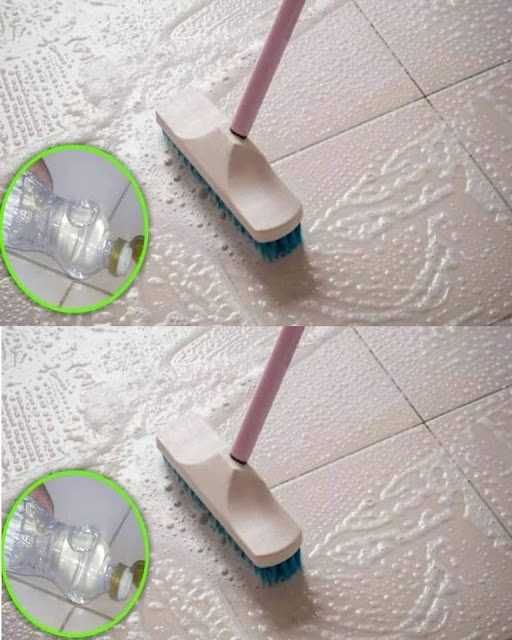

Your Floors Will Shine Without Residue Using This DIY Cleaner—Here’s How to Make It!
Tired of floors that feel sticky or streaky even after a deep clean? You’re not alone. Many commercial floor cleaners leave behind an invisible film that dulls your surfaces and attracts more dirt. But there’s a better way. With just a few pantry staples, you can make a natural, residue-free floor cleaner that delivers shine without side effects.
Let’s walk through exactly how to make it, why it works, and how to use it safely on almost any surface.
Why Go DIY for Floor Cleaning?
Here’s why more households are ditching store-bought products:
- Residue-Free: No waxy film or sticky aftermath
- Non-Toxic: Safe for pets, kids, and allergy sufferers
- Budget-Friendly: A fraction of the cost of name brands
- Eco-Friendly: Less packaging, fewer synthetic ingredients
- Customizable: Scent and strength tailored to your preferences
Ingredients for a Perfect Natural Floor Cleaner
- 1 gallon distilled water – Prevents streaks from hard water minerals
- 1 cup white vinegar – Disinfects, deodorizes, cuts grease
- 1 tablespoon mild liquid dish soap – Lifts dirt and grime
- 10–15 drops essential oil (optional) – For a clean, pleasant scent
Recommended essential oils:
- Lemon (deodorizing and energizing)
- Lavender (calming and antimicrobial)
- Tea tree (antifungal and antibacterial)
- Eucalyptus (fresh and germ-fighting)
How to Make the Cleaner
Step 1: Mix the Solution
In a large bucket, combine:
- 1 gallon of distilled water
- 1 cup of white vinegar
- 1 tablespoon of dish soap
- Optional: 10–15 drops of your chosen essential oil
Step 2: Stir Gently
Mix the solution slowly to avoid creating too many bubbles. A gentle stir is all it takes.
Step 3: (Optional) Pour into Spray Bottle
Use a spray bottle for spot cleaning or smaller areas. Store the rest in a sealed container.
How to Use This Floor Cleaner
For General Floor Cleaning:
- Vacuum or sweep first to remove loose debris.
- Dip your microfiber mop into the solution. Wring out excess.
- Mop as usual—no rinsing needed.
For Spot Cleaning:
Spray directly onto spills or marks and wipe clean with a cloth or mop.
Surfaces This Cleaner Is Safe For
- ✅ Tile
- ✅ Vinyl
- ✅ Linoleum
- ✅ Laminate
- ✅ Sealed hardwood
Important Note: For hardwood and laminate, always use a damp (not wet) mop to avoid water damage.
Why Distilled Water Matters
Regular tap water can contain minerals like calcium and magnesium. These leave white streaks or spots, especially on darker floors. Distilled water ensures a streak-free, polished finish every time.
Tips for Best Results
- Vacuum First: Don’t mop over crumbs or grit—it just smears dirt around.
- Use Microfiber: It traps dust better and requires less water.
- Don’t Overdo the Soap: Too much can cause streaks.
- Dry Floors Promptly: Especially important for hardwood to avoid moisture damage.
DIY vs. Store-Bought: A Cost Comparison
| Product | Cost per Liter | Residue-Free? | Non-Toxic? |
|---|---|---|---|
| DIY Cleaner (with oils) | ~7–9 lei/gallon | ✅ Yes | ✅ Yes |
| Popular Commercial Brands | 20–40 lei/liter | ❌ Often not | ❌ Usually not |
Final Thoughts
Making your own DIY floor cleaner is an easy, effective way to keep your home clean, healthy, and streak-free. You’ll save money, avoid toxic chemicals, and enjoy sparkling floors that truly shine.
Once you try it, you may never go back to store-bought again.

Comments are closed, but trackbacks and pingbacks are open.