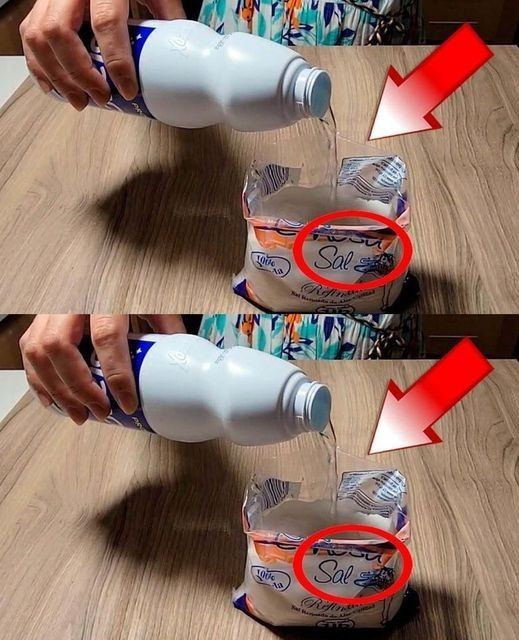

The Surprising Benefits of Mixing Bleach and Salt
Keeping a clean home often requires a mix of cleaning products, each designed for specific tasks. However, an unexpected yet powerful combination—bleach and salt—has been gaining attention for its enhanced cleaning abilities. This simple yet effective duo can tackle stains, disinfect surfaces, and eliminate odors, making it a cost-effective household cleaning solution.
In this guide, we’ll explore the science behind the mixture, its household applications, important safety precautions, and eco-friendly alternatives for those looking for gentler cleaning methods.
The Science Behind Bleach and Salt
Bleach, primarily composed of sodium hypochlorite, is well-known for its disinfecting and whitening properties. Salt (sodium chloride) serves as a mild abrasive that helps scrub away grime and stains.
When combined:
✔ Salt enhances bleach’s cleaning power by providing a gentle scrubbing effect.
✔ Bleach sanitizes and breaks down stains at a chemical level.
✔ The mixture effectively removes dirt, mold, and bacteria from various household surfaces.
Together, they create a highly effective cleaner for tackling tough messes.
Household Uses for Bleach and Salt
1. Whitening Stained Fabrics
Stubborn stains on white fabrics can be challenging, but this mixture helps restore their brightness.
How to Use:
- Dissolve ½ cup of salt in 1 gallon of water, then add 1 cup of bleach.
- Soak the stained fabric in the solution for 30 minutes before washing as usual.
- This method helps lift stains and brighten whites.
2. Cleaning Tile Grout
Grout lines between tiles can accumulate dirt, mold, and mildew over time.
How to Use:
- Mix equal parts bleach and salt to form a thick paste.
- Apply the paste to grout lines and let it sit for 15 minutes.
- Scrub with a brush and rinse for cleaner, brighter grout.
3. Deodorizing and Disinfecting Drains
Drains often trap odors and bacteria, leading to unpleasant smells.
How to Use:
- Combine ½ cup of salt with ½ cup of bleach.
- Pour the solution down the drain and let it sit for 15 minutes.
- Flush with hot water to remove buildup and eliminate odors.
Important Safety Precautions
While this combination is effective, it’s essential to handle it with care:
✔ Work in a ventilated area – Bleach fumes can be strong, so keep windows open.
✔ Wear protective gloves – This prevents skin irritation from prolonged exposure.
✔ NEVER mix bleach with ammonia or acidic substances – This can produce toxic gases.
✔ Use the solution immediately – Avoid storing it, as bleach loses effectiveness over time.
By following these precautions, you can use this cleaning method safely and effectively.
Natural Alternatives for Chemical-Free Cleaning
For those looking for eco-friendly options, here are some natural cleaning substitutes:
1. Vinegar and Baking Soda
- How to Use: Sprinkle baking soda on surfaces, spray with vinegar, let it fizz, scrub, and rinse.
- Best For: Sinks, countertops, and odor removal.
2. Lemon Juice
- How to Use: Apply lemon juice to dissolve soap scum and hard water stains.
- Best For: Cleaning glass and polishing metal fixtures.
3. Hydrogen Peroxide
- How to Use: Apply directly to stains or use as a disinfectant.
- Best For: Whitening fabrics and sanitizing surfaces.
Final Thoughts
The combination of bleach and salt is a simple yet powerful cleaning solution for various household tasks. It effectively whitens fabrics, cleans grout, and deodorizes drains while remaining budget-friendly. However, handling it with proper safety precautions is essential to prevent harmful effects.
For those who prefer natural cleaning alternatives, vinegar, lemon juice, and hydrogen peroxide offer effective, eco-friendly substitutes.
By understanding how to use cleaning agents wisely, you can maintain a spotless home while ensuring the health and safety of your household.

Comments are closed, but trackbacks and pingbacks are open.