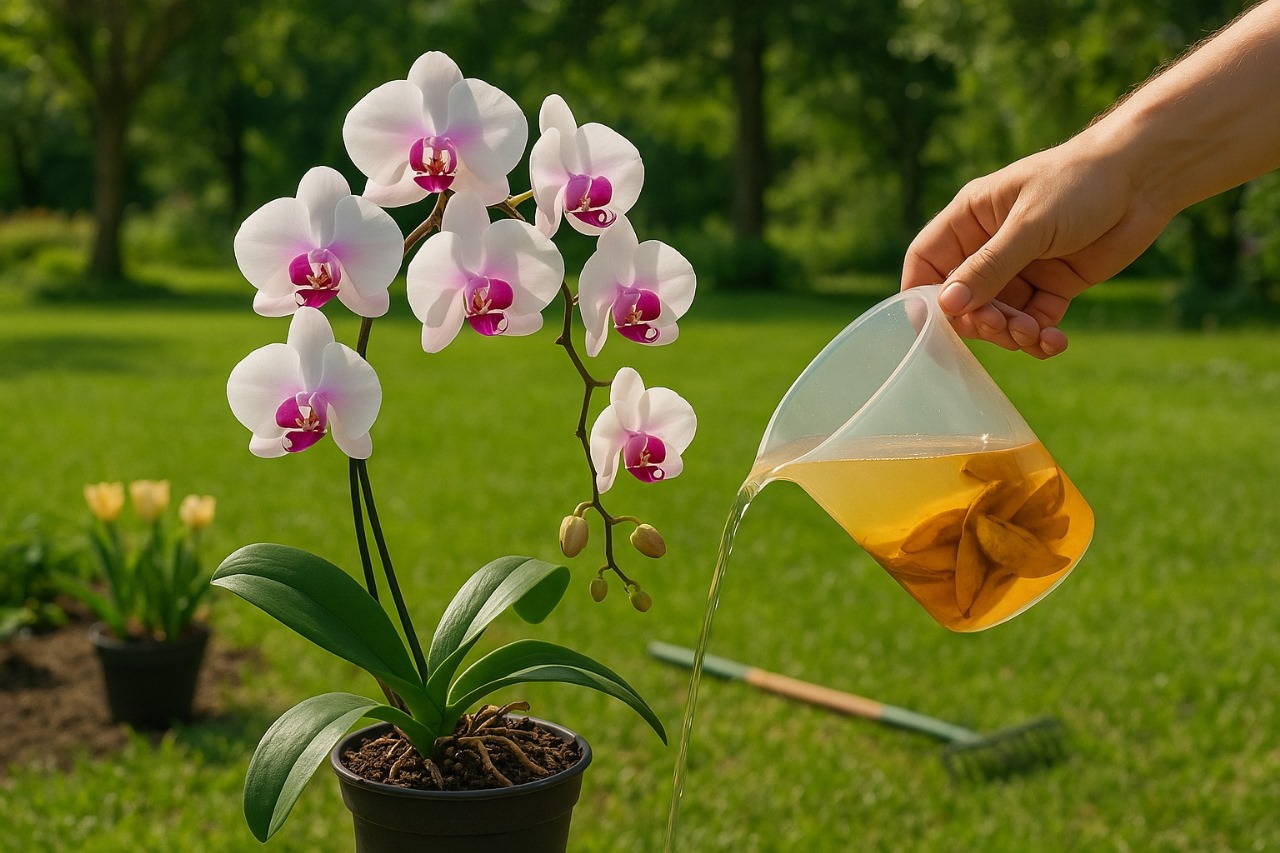

Unlock Year-Round Orchid Blooms with This Simple Kitchen Hack
Orchids are some of the most admired houseplants for their graceful appearance and vivid flowers—but keeping them blooming throughout the year can be a challenge. While many people turn to commercial fertilizers or specialty products, a surprisingly effective solution may already be in your kitchen: rice water.
Used as a natural, gentle fertilizer, rice water can give your orchids the nutrients they need to thrive and flower continuously. Here’s how it works, how to use it, and what else you can do to support healthy, happy orchids.
Why Rice Water Works for Orchids
Rice water is the starchy liquid left over from rinsing or boiling rice. It contains natural compounds that benefit plant health:
- Starches provide an energy boost to the plant.
- Vitamin B supports strong root development.
- It encourages beneficial soil bacteria, which creates a healthier environment for orchid roots.
According to indoor plant specialist Julie Bawden-Davis, “Rice water contains starches that can provide energy to orchids. The water also contains vitamin B, which will be released into the soil when you use it.”
How to Make Rice Water for Orchids
There are three easy methods to prepare rice water. Choose whichever fits best into your cooking routine:
1. Washed Rice Water
- Rinse uncooked rice with water.
- Collect the cloudy liquid.
- Use immediately or refrigerate for up to one week.
2. Boiled Rice Water
- Cook rice in water as usual.
- Once finished, let the leftover water cool completely before use.
3. Fermented Rice Water
- Soak rice in water at room temperature for 24–48 hours.
- Strain and use the liquid.
- Note: This has a stronger smell and should be used in small amounts.
Important: Always dilute rice water before using it on your orchids. A 1:1 ratio (equal parts rice water and plain water) is recommended to avoid potential problems like root rot or compacted soil.
How to Apply Rice Water to Orchids
- Frequency: Use once a month. Applying it too often can cause nutrient buildup or attract pests.
- Application: Pour the diluted rice water directly into the orchid’s potting mix. Avoid letting the roots sit in standing water.
- Monitor: Watch for positive changes like stronger root growth and greener leaves. You can adjust the frequency based on how the plant responds.
Combine Rice Water with Other Natural Fertilizers
To support orchid health more fully, consider rotating or combining rice water with other gentle, natural fertilizers:
- Banana Peel Water: Soak banana peels in water for 24 hours for a potassium-rich liquid that supports flowering.
- Eggshell Tea: Boil crushed eggshells, cool the water, and use it to add calcium—great for cell structure.
- Epsom Salt Solution: Mix one teaspoon of Epsom salt into a gallon of water to add magnesium, which boosts chlorophyll production.
Orchid Care Tips to Support Continuous Blooming
Rice water is helpful, but overall orchid care matters just as much. Here are some basics to keep in mind:
- Light: Bright, indirect sunlight is ideal. Too much direct sun can burn leaves, while too little light slows growth.
- Watering: Let the potting medium dry out between waterings to avoid root rot.
- Humidity: Orchids prefer 40–60% humidity. You can use a humidity tray or humidifier if needed.
- Temperature: Keep daytime temperatures between 70–80°F (21–27°C) and nighttime around 60–70°F (16–21°C).
- Repotting: Repot every 1–2 years to refresh the potting mix and give roots space to grow.
Final Thoughts
Using rice water as a natural fertilizer is a simple, cost-effective, and eco-friendly way to support your orchid’s health and encourage more frequent blooms. When paired with good plant care practices and occasional nutrient boosters like banana peel water or eggshell tea, it can make a noticeable difference in your orchid’s performance. With just a few changes, you might be enjoying colorful orchid blooms throughout the entire year.

Comments are closed, but trackbacks and pingbacks are open.