
What Dirty Dishes Might Reveal About Your Mental Health and Relationships
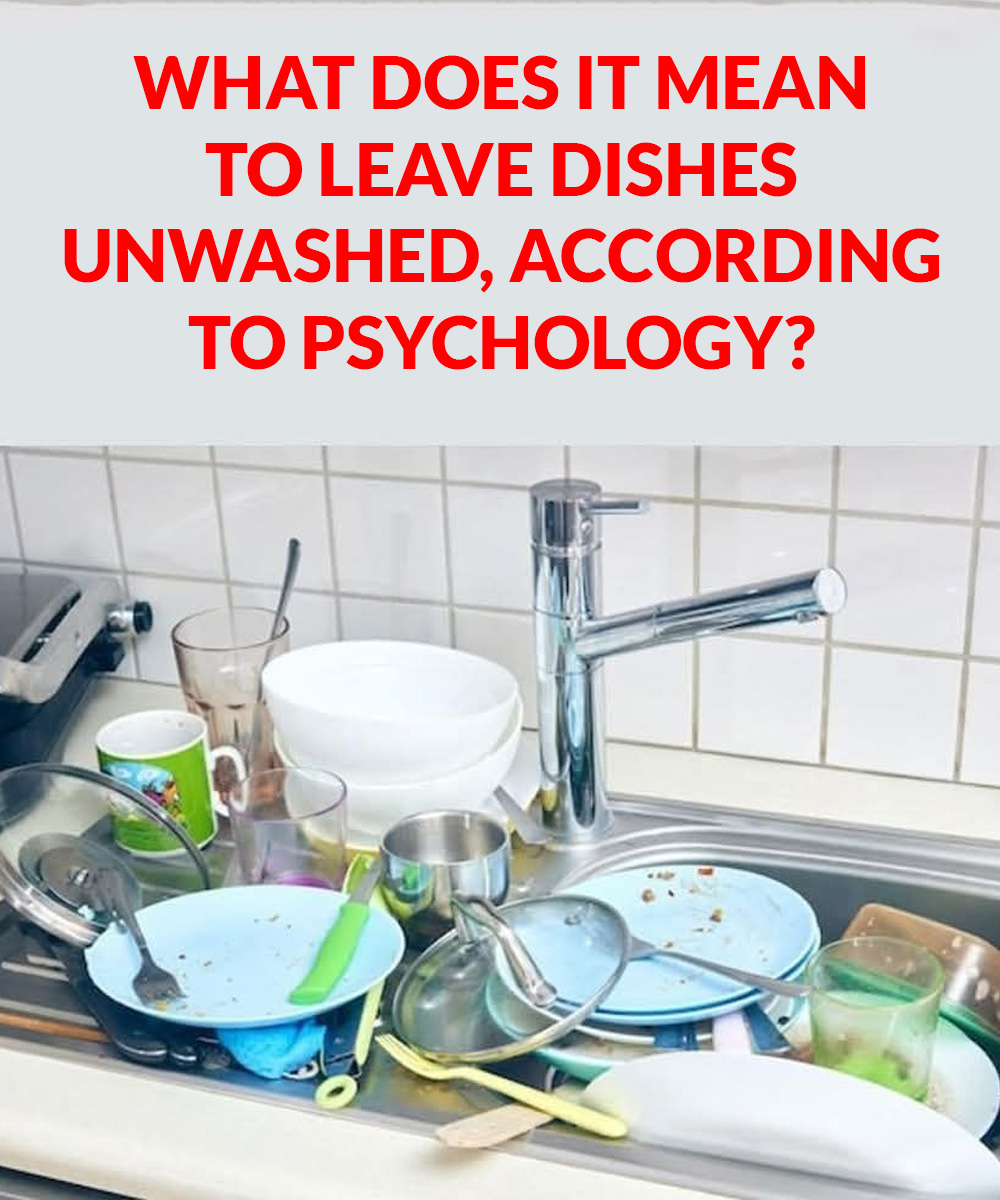
A sink full of dirty dishes might not seem like a big deal—just another chore waiting to be done. But according to psychologists, it can actually be a quiet signal of deeper emotional and psychological patterns. Whether it’s tied to stress, personality, or dynamics with those you live with, those dishes might be saying more than you think.
Mental Exhaustion and Emotional Burnout
When people are emotionally drained, even the simplest tasks can feel like too much. Washing a few plates might be easy on a good day, but when your mental bandwidth is low, your brain tends to conserve energy. In these moments, skipping chores isn’t about laziness—it’s about survival. “Ignoring dishes can be a coping mechanism, allowing individuals to prioritize emotional recovery over household chores.”
Procrastination and Executive Dysfunction
Sometimes, it’s not just about being tired—it’s about being stuck. Procrastination, especially when tied to anxiety or depression, often stems from internal resistance or a fear of not doing things “well enough.” When executive dysfunction is involved, your brain struggles to initiate or complete tasks, and the dirty dishes keep piling up.
Cleaning Habits Reflect Personality
Our approach to chores often mirrors our personality. Those who score high in conscientiousness typically value order and routine—they see cleaning as a necessary part of life. On the other hand, more spontaneous or creatively inclined individuals may not view housekeeping with the same urgency. “Individuals with high conscientiousness tend to maintain cleanliness and order, viewing tasks like dishwashing as essential.”
What It Says About Your Relationships
In shared homes, unwashed dishes are rarely just about dishes. One partner leaving a mess might be interpreted as careless or disrespectful, even if unintentionally. Over time, this can feed into larger issues: unmet expectations, built-up resentment, or feelings of being taken for granted. “A partner consistently leaving dishes unwashed may be perceived as inconsiderate, leading to conflicts that stem from underlying feelings of resentment or unmet expectations.”
Cultural and Social Expectations
Cultural background can also shape how we see cleanliness. In some societies, a tidy kitchen is a mark of discipline and respect. In others, a more casual attitude toward household chores is perfectly acceptable. Understanding these differences can reduce unnecessary guilt and judgment, especially in cross-cultural relationships or households.
Tips to Shift the Dynamic
Here are a few ideas to reframe the dishwashing struggle:
- Set routines: Incorporate dishwashing into your daily rhythm so it becomes second nature.
- Practice mindfulness: Doing dishes can be a meditative task if you let it—a moment to reset and focus.
- Talk it out: Open communication in shared spaces helps clarify expectations and reduce tension.
- Get help if needed: If dishes are just one symptom of deeper mental strain, consider speaking with a professional. “Seeking professional help can provide coping strategies and support.”
Final Thoughts
That pile of dirty dishes might seem harmless, but it can reflect far more than a skipped chore. From emotional overwhelm to silent relationship tension, the reasons behind an unwashed plate can be layered. Recognizing these patterns can help you respond with awareness instead of judgment—and maybe even turn an everyday task into a chance to reconnect with yourself or others.

Comments are closed, but trackbacks and pingbacks are open.